
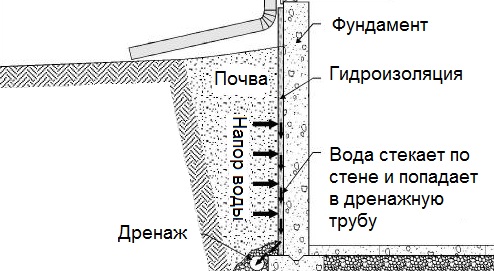
Общие условия выбора системы дренажа: Система дренажа выбирается в зависимости от характера защищаемого...
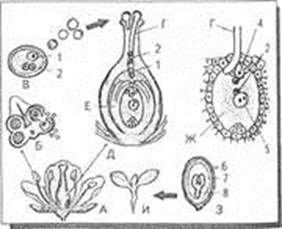
Двойное оплодотворение у цветковых растений: Оплодотворение - это процесс слияния мужской и женской половых клеток с образованием зиготы...
Общие условия выбора системы дренажа: Система дренажа выбирается в зависимости от характера защищаемого...
Двойное оплодотворение у цветковых растений: Оплодотворение - это процесс слияния мужской и женской половых клеток с образованием зиготы...
Топ:
Когда производится ограждение поезда, остановившегося на перегоне: Во всех случаях немедленно должно быть ограждено место препятствия для движения поездов на смежном пути двухпутного...
Генеалогическое древо Султанов Османской империи: Османские правители, вначале, будучи еще бейлербеями Анатолии, женились на дочерях византийских императоров...
Интересное:
Подходы к решению темы фильма: Существует три основных типа исторического фильма, имеющих между собой много общего...
Распространение рака на другие отдаленные от желудка органы: Характерных симптомов рака желудка не существует. Выраженные симптомы появляются, когда опухоль...
Что нужно делать при лейкемии: Прежде всего, необходимо выяснить, не страдаете ли вы каким-либо душевным недугом...
Дисциплины:
 2019-09-17 2019-09-17 |
 270 270 |

из
5.00
|
Заказать работу |
Содержание книги
Поиск на нашем сайте
|
|
|
|
| USAGE | EXAMPLES |
| 1. After the verbs of sense perception: to see, watch, observe, notice, hear, feel, smell, etc. | I saw him enter the room. |
| 2. After the verbs of mental activity: to think, expect, know, believe, prefer, feel, imagine, find, etc. | I would prefer you not to complain all the time. I consider John (to be) a good driver. |
| 3 After the verbs of request, order and permission: to ask, beg, beseech, implore, allow, let, suffer, order, cause, etc. | Walter asked him to stay for dinner. For a while she allowed her thoughts to wander. They let us examine the documents. I won’t have you stay here.. The general ordered us to wait. The noise caused her to awaken. |
| 4. After the verbs of wish and intention, liking and disliking: to wish, want, desire, mean, like, dislike, intend, hate, etc. | I want you to translate the text. |
| 5. After the verbs of declaring: to declare, pronounce, report, etc. | They reportedthe boat to have been seen not far away. |
| 6. After the verbs: to wait, rely, listen, etc. (with prepositions) | I rely on you to come in time. |
SUBBJECTIVE INFINITIVE CONSTRUCTION
| USAGE | EXAMPLES |
| 1. After the verbs of sense perception: to see, watch, observe, notice, hear, feel, smell, etc. | He was heard to mention the matter. |
| 2. After the verbs of mental activity: know, believe, prefer, feel, imagine, find, etc. | He is known to have left for London a week ago. |
| 3 After the verbs of request, order and permission, compulsion: to ask, beg, beseech, implore, allow, let, suffer, order, cause, etc. | He was ordered to go there right away. He was made to translate the text. |
| 4. After the verbs of declaring: to declare, pronounce, report, etc. | He is said to have arrived in London. |
| 5. After some verbs in the Active Voice: to seem, appear, turn out, prove, happen, chance, etc. | He seems to have left for London. It turns out to be raining now. I happened to come across him in the street. |
| 6. After the word-groups: to be likely, to be unlikely, to be certain, to be sure, etc. | It is unlikely to rain soon. He is sure to come soon. You are certain to like it. |
FOR-INFINITIVE CONSTRUCTIONS
| FUNCTION | EXAMPLES | |
| COMPLEX SUBJECT | For John to say such a thing is nonsense. It would be difficult for him to find words that sounded well. It took three years for the students to read the book. | |
| COMPLEX PREDICATIVE | The only sensible thing was for you to go away. It is not for you to make terms. | |
| COMPLEX OBJECT | They waited for the boy to answer. We longed for the lesson to be over. I think it necessary for the students to learn the Infinitive. | |
| COMPLEX ATTRIBUTE | There are several people for you to consult. The teacher can always find something for you to do. | |
| COMPLEX ADVERBIAL MODIFIER OF | PURPOSE | He opened the door for her to go out. |
| RESULT | The bridge was too narrow for the truck to cross. The bridge was wide enough for the bicycle to cross. | |
FUNCTIONS OF GERUND
| FUNCTION | PREPOSITIONS | EXAMPLES | ||
| SUBJECT |
| Translating this text is rather difficult. There’s no avoiding it. It is no use translating this text. The Gerund is not used after “essential”, “important”, “necessary”. “ | ||
| PREDICATIVE | - / like | My idea is learning English. I don’t feel like going home. | ||
| PART OF COMPOUND VERBAL ASPECT PREDICATE | He began (kept on, stopped) translating this text. | |||
| DIRECT OBJECT | of, at, in, into, on, for, to, etc | We suggest going to the museum. She denies having met us. | ||
| PREPOSITIONAL OBJECT | They insisted on going to the library. She was not conscious of having shown any special interest in grammar. | |||
| ATTRIBUTE | of, about, in, at, for, to | He gave up the idea of going to Bangladesh. They entered the reading hall. | ||
| ADVERBIAL MODIFIERS OF | TIME | after, on, in, at, before | After hesitating he answered in the affirmative. The Perfect Gerund is used only if the priority is emphasized. He came back after having been away for twenty years. | |
| PURPOSE | for, for fear of, for the sake of, for the purpose of | He wants to visit a solicitor for the purpose of making a new will. | ||
| CONDITION | without, but for, in case of | He won’t go without saying good-bye. | ||
| CAUSE (REASON) | for, through, for fear of, due to, owing to, because of, on account of | Through being left out all night in the rain the metal rusted. He felt better for having written the letter. | ||
| ATTENDANT CIRCUMSTANCES | instead of, without | He went away instead of working. He arrived without having once appeared on the stage. | ||
| CONCESSION | in spite of, despite, notwithstanding | In spite of being busy she managed to read the novel. | ||
| MANNER COMPARISON | in, by, without | She spent her evening in reading. The seaside is much better for me than working in the hot city all summer. | ||
|
|
|
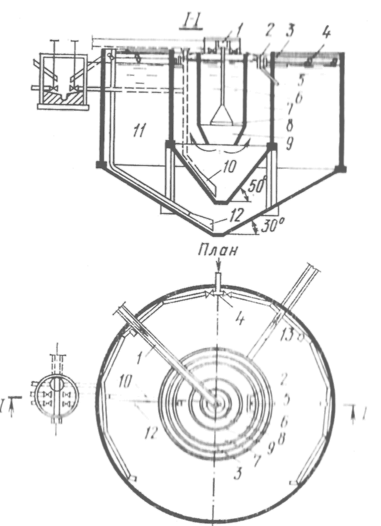
Типы сооружений для обработки осадков: Септиками называются сооружения, в которых одновременно происходят осветление сточной жидкости...
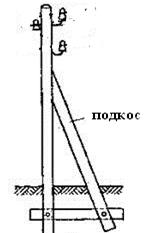
Опора деревянной одностоечной и способы укрепление угловых опор: Опоры ВЛ - конструкции, предназначенные для поддерживания проводов на необходимой высоте над землей, водой...

Наброски и зарисовки растений, плодов, цветов: Освоить конструктивное построение структуры дерева через зарисовки отдельных деревьев, группы деревьев...
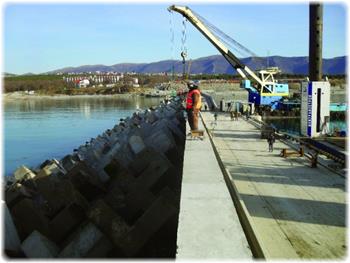
Типы оградительных сооружений в морском порту: По расположению оградительных сооружений в плане различают волноломы, обе оконечности...
© cyberpedia.su 2017-2026 - Не является автором материалов. Исключительное право сохранено за автором текста.
Если вы не хотите, чтобы данный материал был у нас на сайте, перейдите по ссылке: Нарушение авторских прав. Мы поможем в написании вашей работы!

