
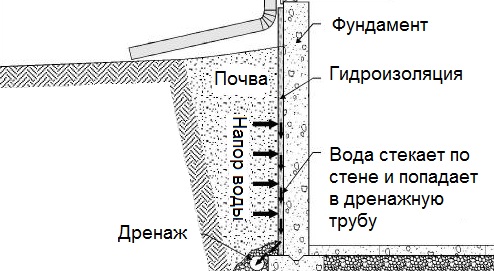
Общие условия выбора системы дренажа: Система дренажа выбирается в зависимости от характера защищаемого...
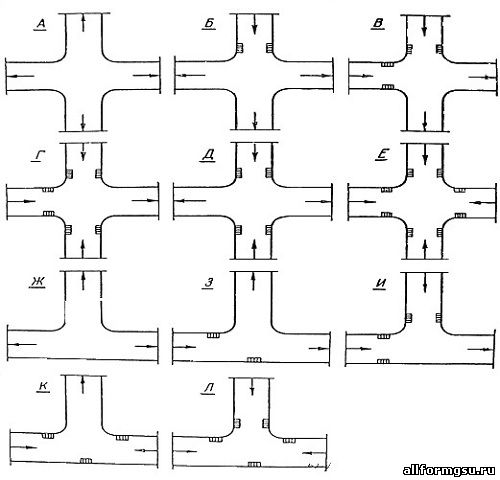
Организация стока поверхностных вод: Наибольшее количество влаги на земном шаре испаряется с поверхности морей и океанов (88‰)...
Общие условия выбора системы дренажа: Система дренажа выбирается в зависимости от характера защищаемого...
Организация стока поверхностных вод: Наибольшее количество влаги на земном шаре испаряется с поверхности морей и океанов (88‰)...
Топ:
Отражение на счетах бухгалтерского учета процесса приобретения: Процесс заготовления представляет систему экономических событий, включающих приобретение организацией у поставщиков сырья...
Основы обеспечения единства измерений: Обеспечение единства измерений - деятельность метрологических служб, направленная на достижение...
Устройство и оснащение процедурного кабинета: Решающая роль в обеспечении правильного лечения пациентов отводится процедурной медсестре...
Интересное:
Национальное богатство страны и его составляющие: для оценки элементов национального богатства используются...
Как мы говорим и как мы слушаем: общение можно сравнить с огромным зонтиком, под которым скрыто все...
Берегоукрепление оползневых склонов: На прибрежных склонах основной причиной развития оползневых процессов является подмыв водами рек естественных склонов...
Дисциплины:
 2021-03-17 2021-03-17 |
 171 171 |

из
5.00
|
Заказать работу |
Содержание книги
Поиск на нашем сайте
|
|
|
|
International Law includes the basic, classic concepts of law in national legal systems -- status, property, obligation, and tort (or delict[1]). It also includes substantive law, procedure, process and remedies. International Law is rooted in acceptance by the nation states that constitute the system. The following are major substantive fields of international law:
· International economic law;
· International criminal law;
· International environmental law;
· Diplomatic law;
· International humanitarian law or law of war;
· International human rights law.
International economic law, broadly conceived, is a field of international law that encompasses both the conduct of sovereign states in international economic relations, and the conduct of private parties involved in cross-border economic and business transactions. This includes, among other things, international trade law, law of international financial institutions (or what is known as international financial law), and traditional international private law fields. Additionally, international economic law includes the following fields:
· Regional Economic Integration, such as the European Union, ASEAN[2] and other regional trade organizations.
· International law and development.
· International commercial arbitration.
· International intellectual property law.
· International business regulation.
International criminal law is a field of international law that seeks to regulate the behaviour of states, organizations and individuals operating across national boundaries in commission of international crimes. International criminal law also regulates the commission of grave crimes occurring on the territory of sovereign states where those crimes constitute genocide, crimes against humanity, war crimes, or other violations of jus cogens norms[3].
International criminal law is practiced by, and prosecuted within, international criminal tribunals, such as the International Criminal Tribunal for Rwanda, International Criminal Court and similar courts.
International environmental law (sometimes, international ecological law) is a field of international law regulating the behaviour of states and international organizations with respect to the environment. Core domains for international regulation include management of the world's oceans and fisheries, the polar ice caps, and the regulation of carbon and other particulate emissions into the atmosphere.
The main international treaties concerning the environment are:
· 1972 UN Convention on the Human Environment;
· 1992 United Nations Conference on Environment and Development (UNCED), which produced the Rio Declaration;
· 1997 Kyoto Protocol, entered into force on February 16, 2005;
· 2002 World Earth Summit.
Diplomatic law is a field of international law concerning the practice of diplomacy, and the rights and obligations of state representatives on the territory of other states. The broad corpus of diplomatic law derives from one of the oldest principles of customary international law, that of state immunity and sovereign immunity.
International humanitarian law (law of war) is a field of international law regulating armed conflict between states, and more recently, between states and informal groups and individuals. International humanitarian law governs both the legality of justifications for war (jus ad bellum [4], or when states can resort to war) and the legality of wartime conduct (jus in bello, or how states must behave themselves during war).
International humanitarian law should not be confused with international human rights law. International humanitarian law is one of the oldest fields of conventional international law. Core principles of international humanitarian law can be found in major international treaties such as the Geneva Conventions of 1949, and the first Geneva Convention of 1864.
International human rights law began as a response to the horrors of war, in particular World War II, although the Geneva Conventions had begun earlier. The formation of the United Nations gave human rights international legitimacy, particularly because many nations signed the United Nations Charter, which specifically mentions human rights (Preamble, Chapter I). Since the formation of the United Nations, it has passed many agreements and resolutions binding the signatories to respect human rights.
Legally, however, human rights are protected by treaties, where nations agree to abide by certain restrictions on their conduct and to uphold certain freedoms and basic needs for citizens. Thus, international human rights law, through treaties, acts upon states. The enforcement of human rights treaties naturally requires nations to comply with the terms of their agreements. Groups of nations, such as the United Nations and the Council of Europe may impose sanctions or other measures against recalcitrant states to ensure compliance.
|
|
|
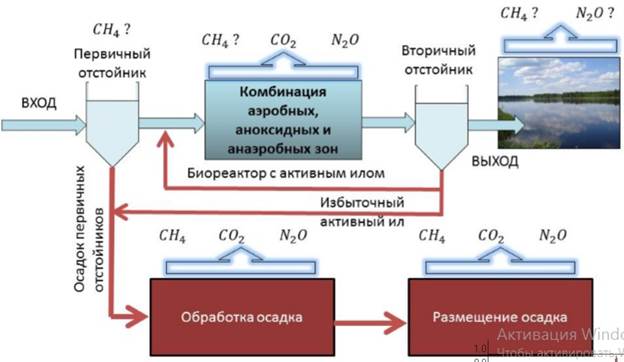
Эмиссия газов от очистных сооружений канализации: В последние годы внимание мирового сообщества сосредоточено на экологических проблемах...

Историки об Елизавете Петровне: Елизавета попала между двумя встречными культурными течениями, воспитывалась среди новых европейских веяний и преданий...

История создания датчика движения: Первый прибор для обнаружения движения был изобретен немецким физиком Генрихом Герцем...
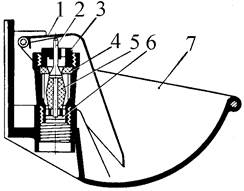
Индивидуальные и групповые автопоилки: для животных. Схемы и конструкции...
© cyberpedia.su 2017-2026 - Не является автором материалов. Исключительное право сохранено за автором текста.
Если вы не хотите, чтобы данный материал был у нас на сайте, перейдите по ссылке: Нарушение авторских прав. Мы поможем в написании вашей работы!

